Before / After Gallery
Veneers · Crowns · Whitening — Real Results Tunisia
Before / after transformations
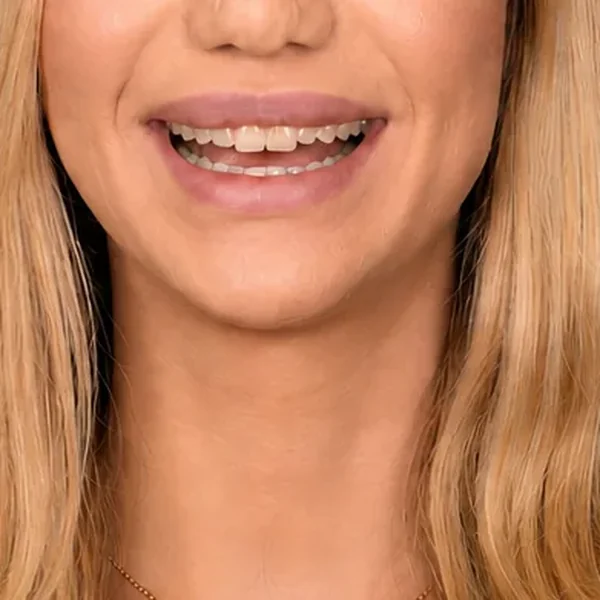
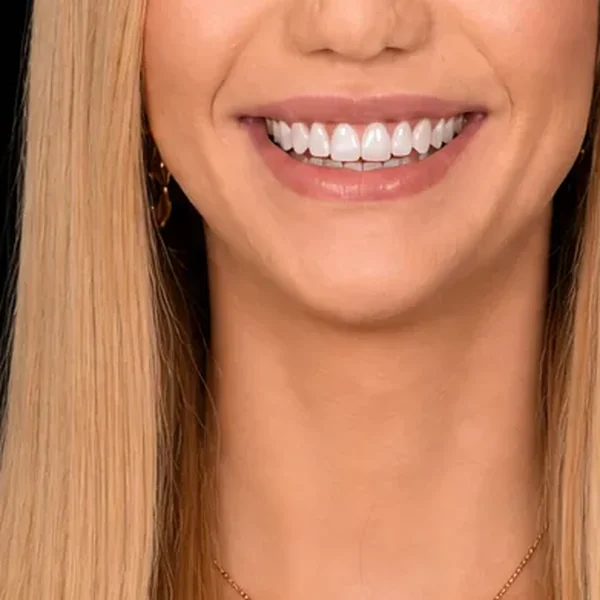
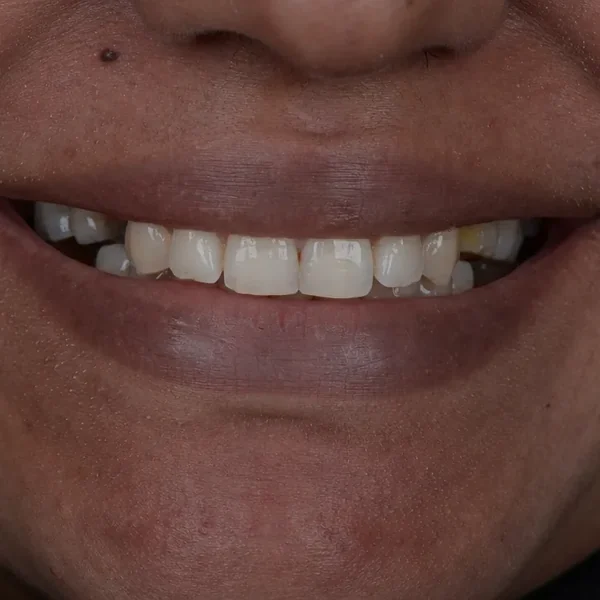
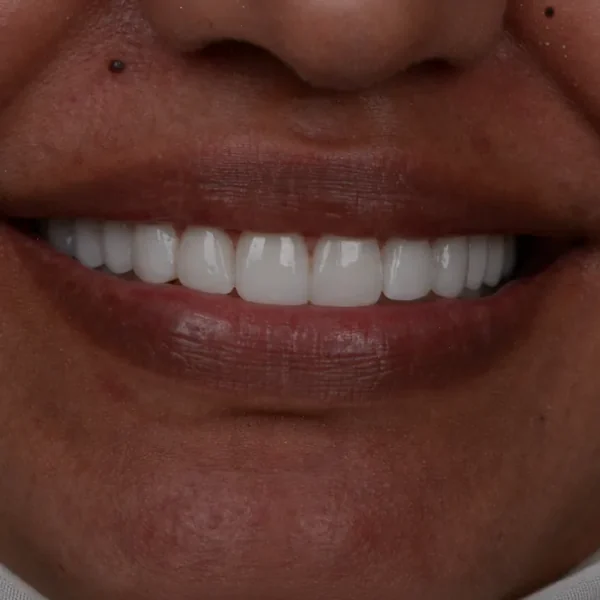
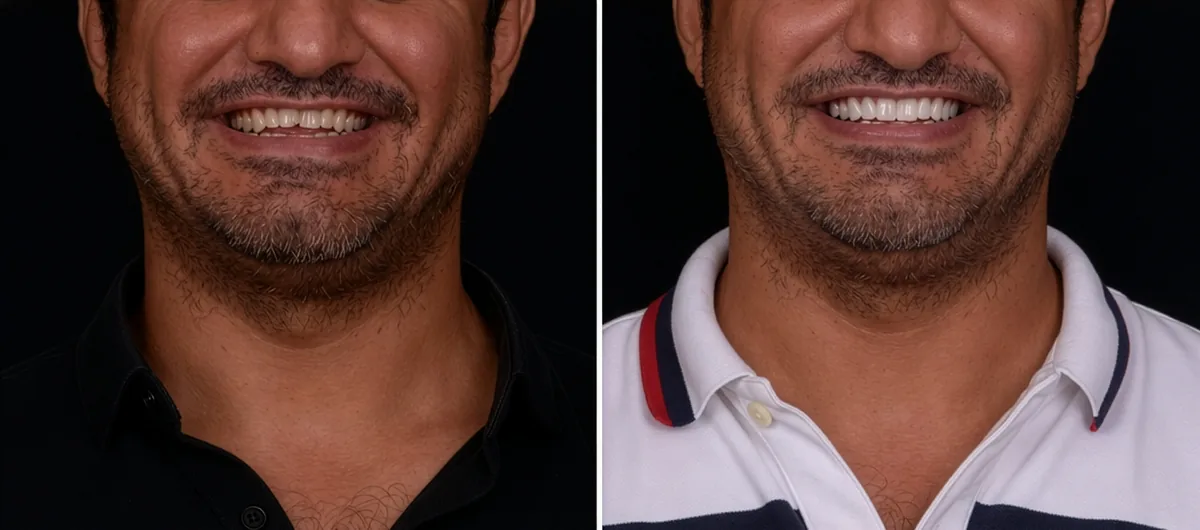
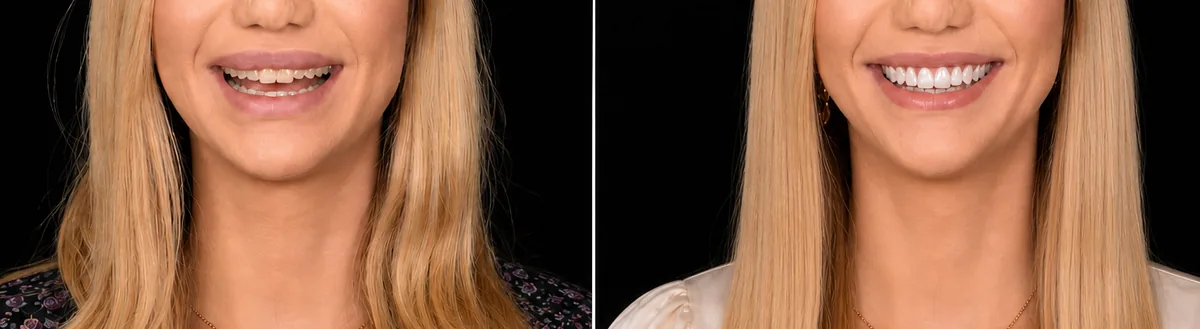
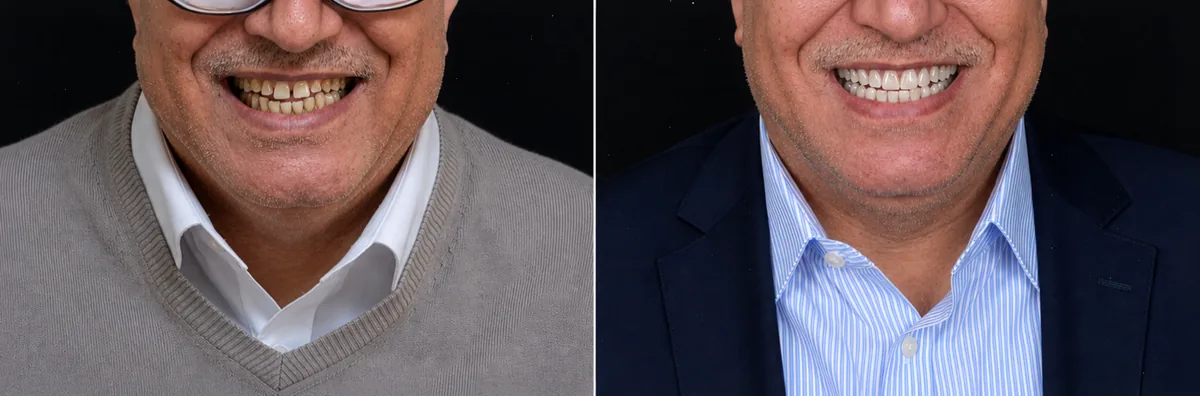
Dental veneer results Tunisia — photos of real patients from our clinic. E-Max veneers, No-Prep, zirconia crowns.
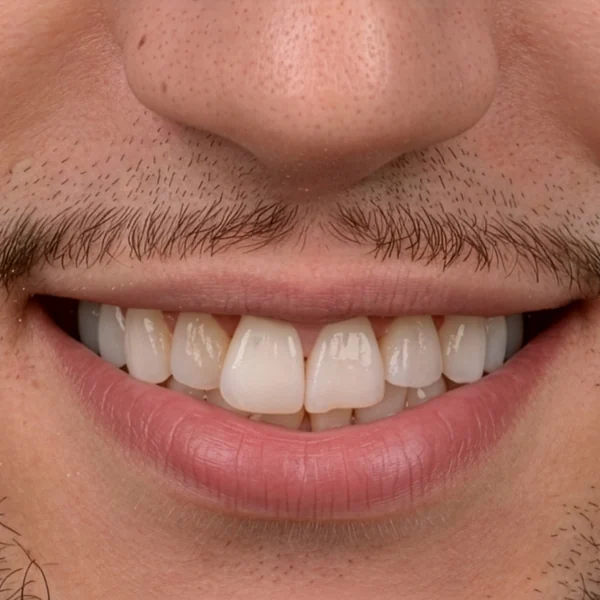
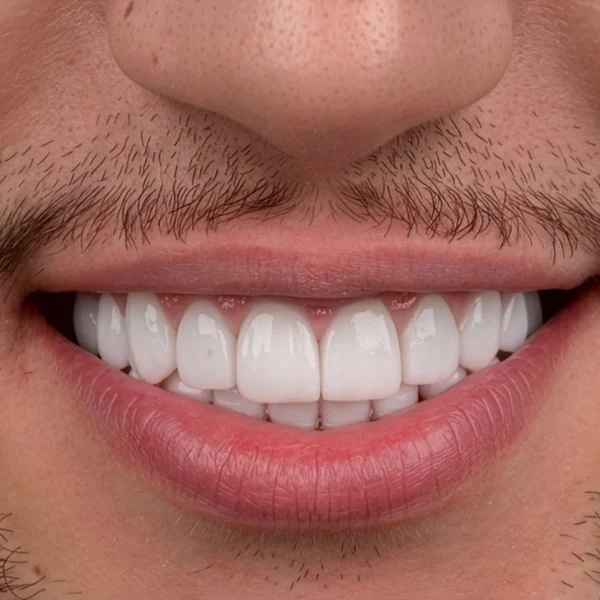
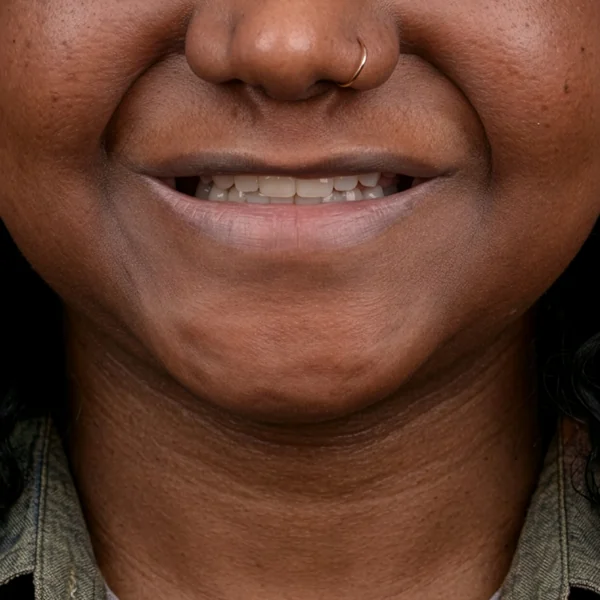
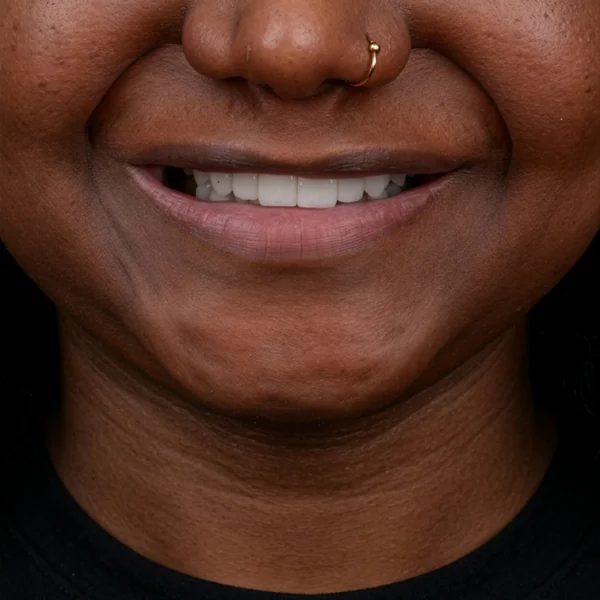
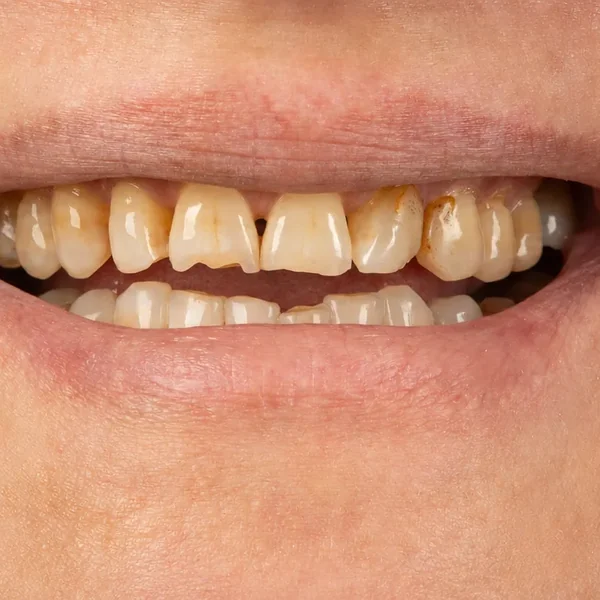
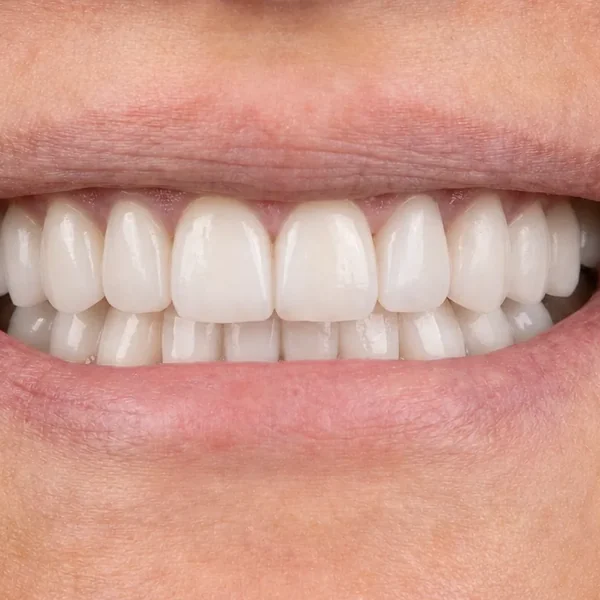
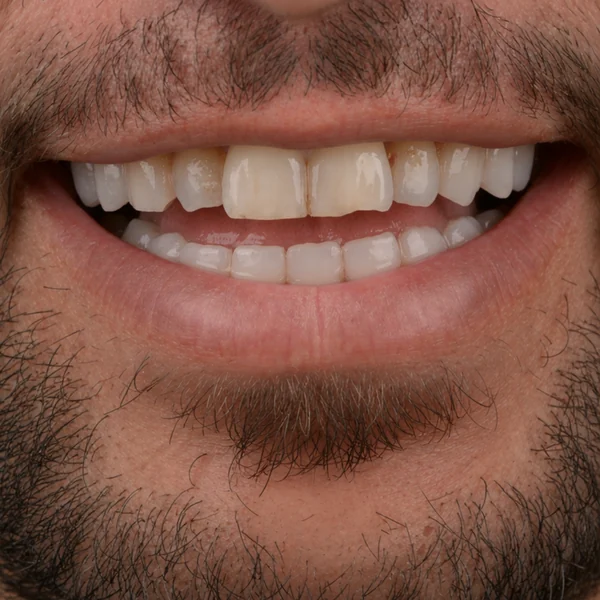
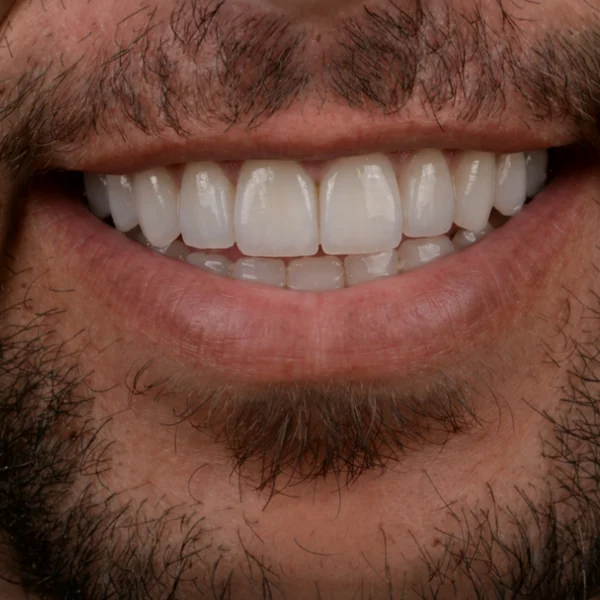
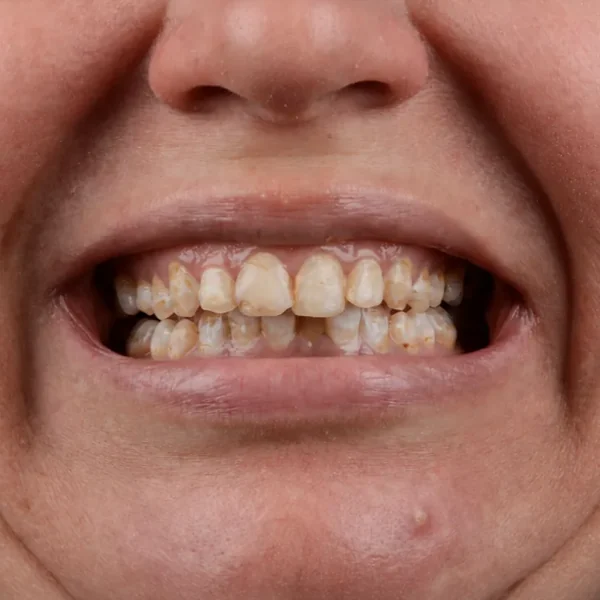
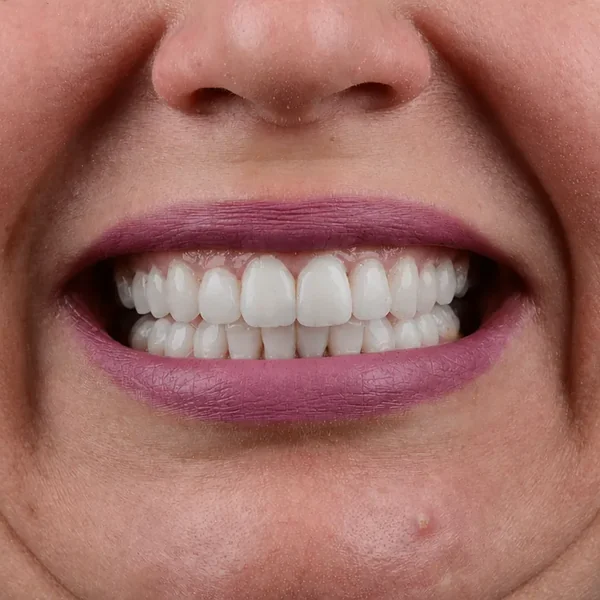
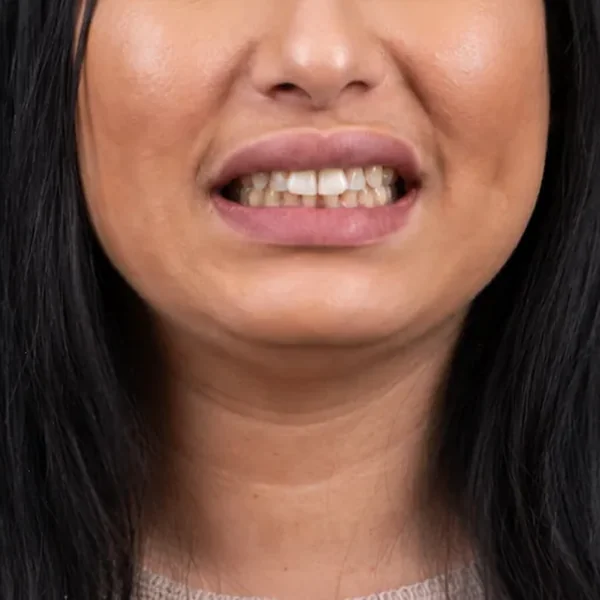
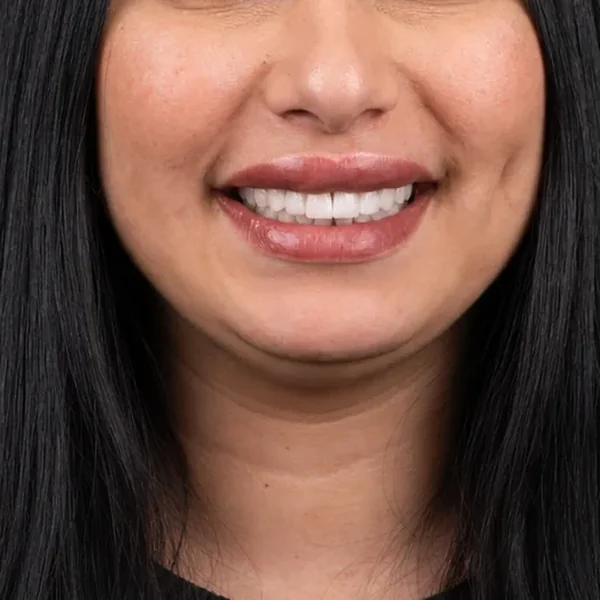
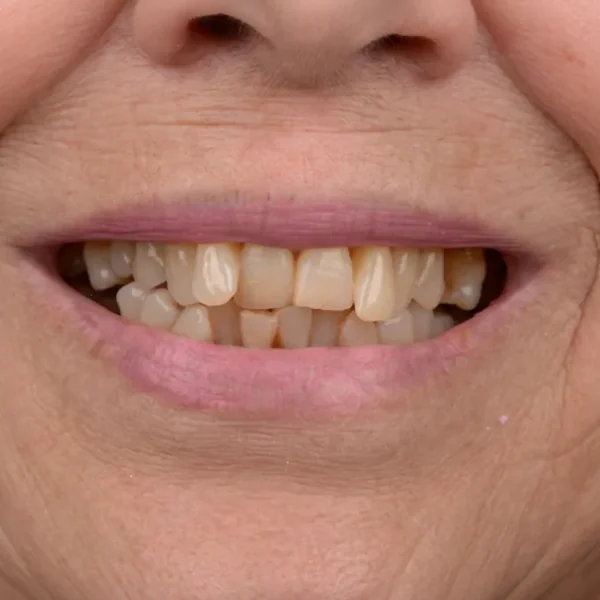
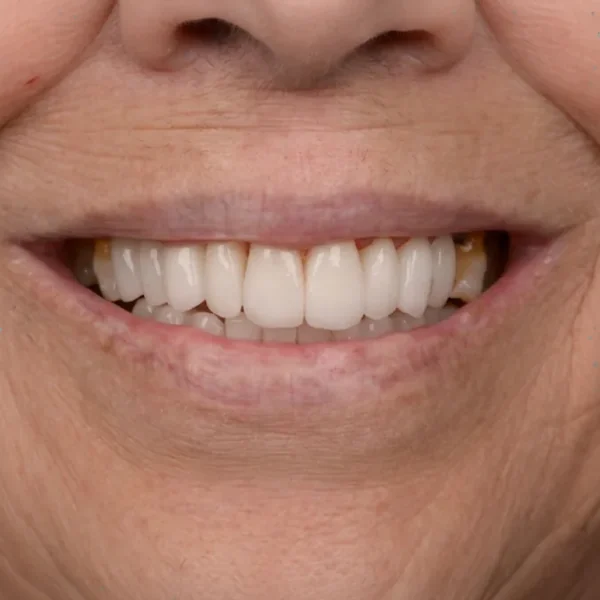
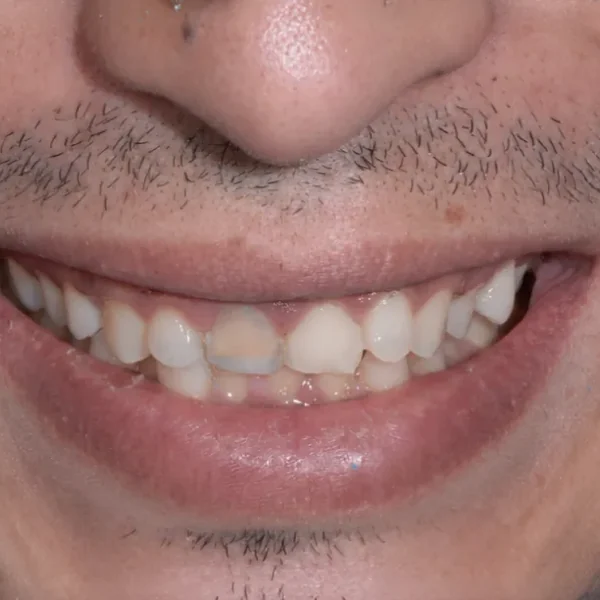
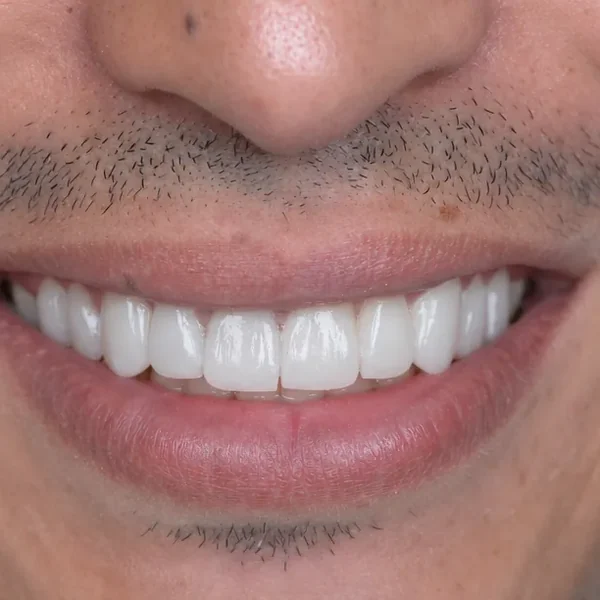
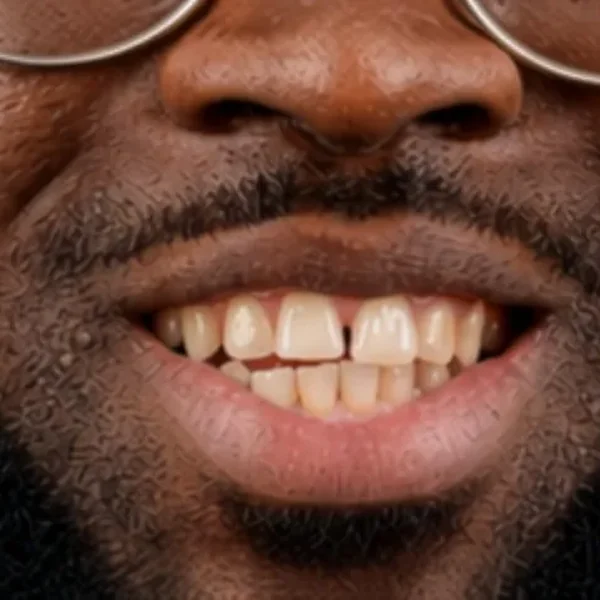
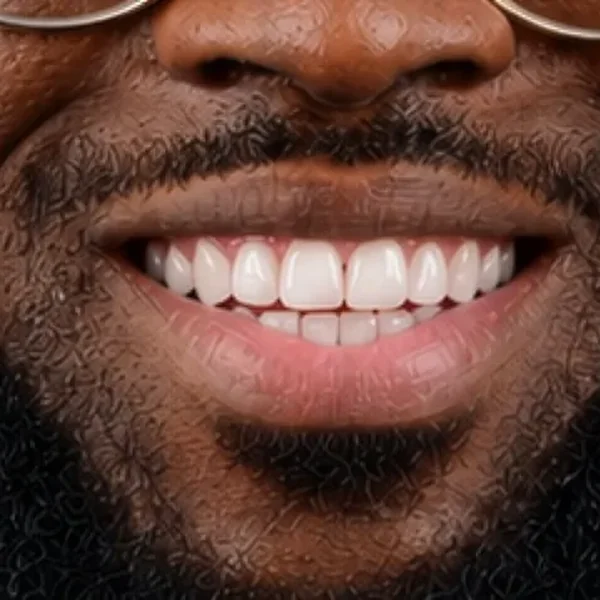
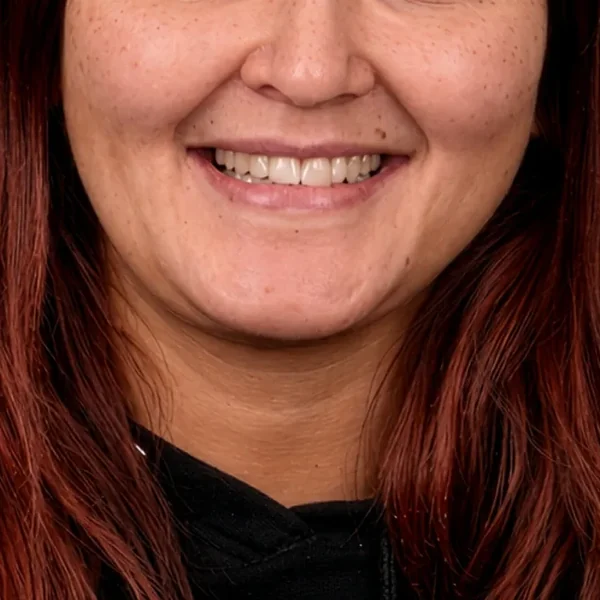
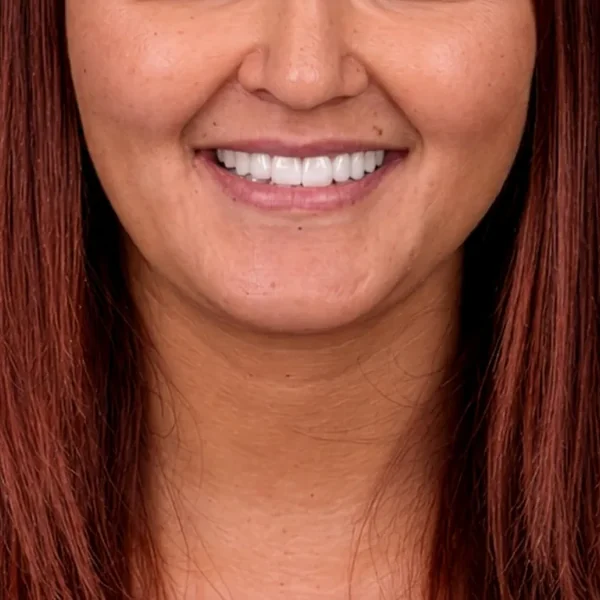
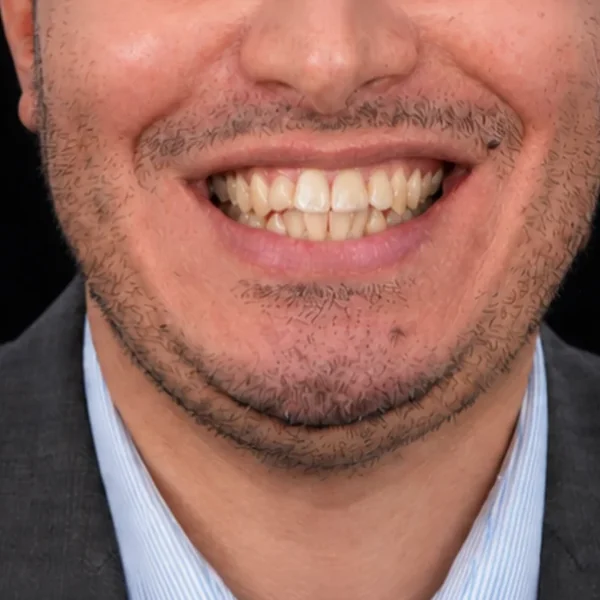
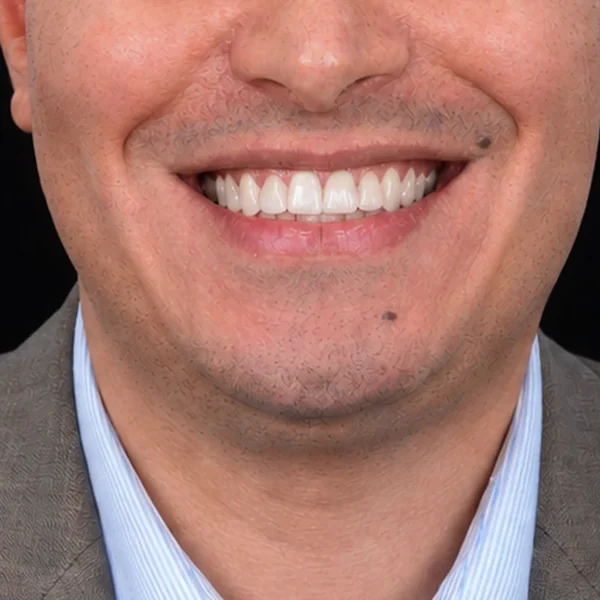
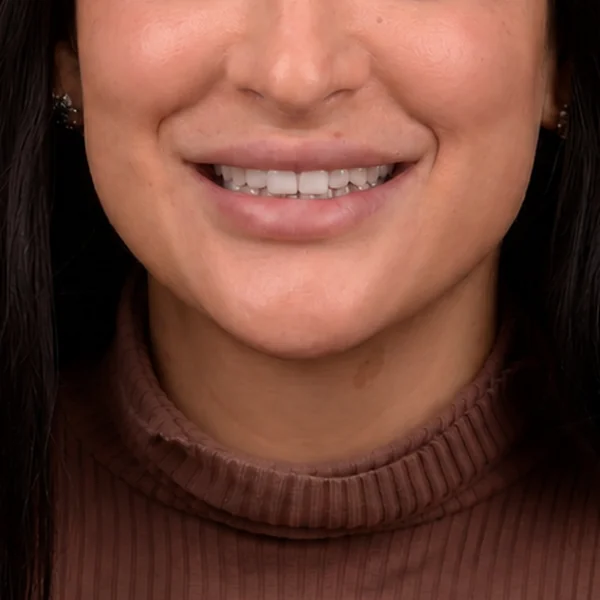
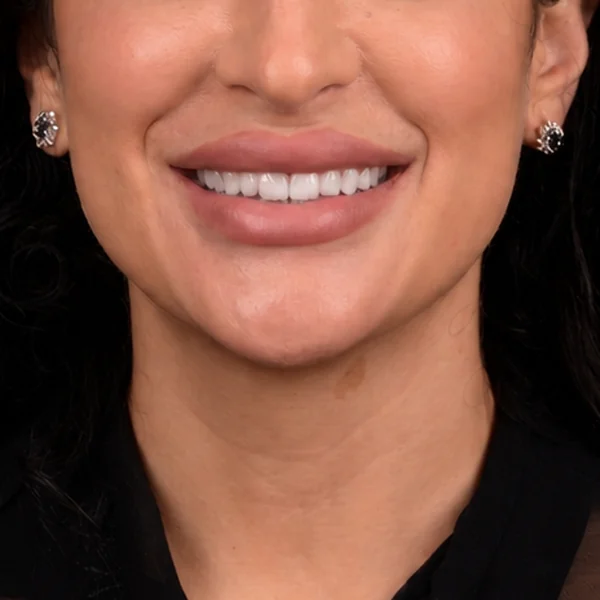
How to correctly read a dental before/after
Not all before/after photos are equal. Here are the 5 technical criteria to assess the reliability of a case presented online.
1. Identical shooting conditions
The "before" and "after" photos must be taken with the same lighting (ideally standardized dental light, not in direct sunlight or yellow light), same angle of view and same focal distance. A dark "before" photo compared to a very bright "after" photo creates a false impression of improvement.
2. No digital retouching
Serious photos are published without Photoshop. Be wary of images with teeth that are too white or contours that are too sharp: these are often digital retouches that do not match the real achievable result. A smile after E-Max veneers keeps a slight natural translucency, not a uniform plastic white.
3. Comparable lip position
A "constrained" (forced) smile distorts the position of the lips and makes the teeth appear different. A reliable comparison shows the same facial expression in both photos, ideally the same type of smile (wide, soft, teeth together).
4. Technical details mentioned
A serious presentation specifies the number of veneers placed, the material used (E-Max Ivoclar, zirconia, composite), the shade chosen (BL2, A1, A2 according to the VITA shade), and the length of stay. These details allow the future patient to understand exactly what they are buying, and the practitioner to prove their technical expertise.
5. Time perspective
A photo taken right after placement (day one) does not reflect the long-term result. The best galleries present cases with 3 to 6 months of perspective, or even more. This is the only way to verify the stability of the result (gingival integration, no discoloration of the joints, durability of the proximal contacts).
The 6 aesthetic criteria assessed on our cases
For each transformation, our practitioners work on 6 measurable parameters, inherited from cosmetic dentistry based on the principles of the "Dental Aesthetic Index".
1. Smile line
This is the curve formed by the incisal edges of the upper teeth when you smile. Ideally, it should follow the curve of the lower lip (convex line, slightly bulging downward at the center). A flat or inverted smile line gives an aged appearance.
2. Midline
The vertical axis between the two central incisors must coincide with that of the face (passing through the philtrum, the tip of the nose and the chin). A discrepancy of more than 2 mm is visible and harms harmony.
3. Incisor proportions
The classic rule: the width of a central incisor must represent 78 to 85% of its height. An incisor that is too square gives a heavy face; too elongated, it creates a "buck teeth" effect. Veneers allow these proportions to be adjusted to the millimeter.
4. Natural shade
A shade that is too white (BL1, "Hollywood" white) can look artificial, especially on a mature face. A shade that is too yellow (A4) signals aging. The recommended shade depends on your age, the color of your skin and the shade of your neighboring natural teeth. We offer a shade guide at the consultation.
5. Incisal edge translucency
A natural tooth has a slightly translucent incisal edge ("bluish halo" effect). E-Max veneers reproduce this translucency thanks to lithium disilicate ceramic. A total absence of translucency ("plastic" effect) reveals low-end composite or monolithic zirconia veneers.
6. Gingival integration
The contact between the veneer and the gum must be perfectly sealed, smooth and painless. A poorly placed veneer causes gingival inflammation, a gray line or recession. This is one of the points that distinguishes the work of an expert practitioner from assembly-line placement.
Real patient photos: our ethical charter
Every patient photo shown on our media respects the following 4 principles:
- Explicit written consent of the patient (signed GDPR form) before any publication.
- Lifetime right of withdrawal: the patient can request the removal of their photos at any time, by a simple email, without having to justify their request.
- Anonymization: no personal information (last name, first name, city, profession) is ever associated with the photo. Only the type of treatment and the technical parameters are mentioned.
- No retouching: the photos are published as is, except for cropping and web compression. No digital whitening, no smoothing of contours.
Why illustrative images in the meantime?
The visuals currently shown on this page are illustrations intended to show the format and layout of the gallery. The real before/after photos of our patients will be gradually integrated as publication agreements are collected. This cautious approach is deliberate: we prefer to wait for formal authorizations rather than using photos without their owners' knowledge.
If you wish to see our real cases before treatment (photos that cannot be published on our site but can be viewed at the consultation), book an appointment via WhatsApp — our practitioner will show you their complete records.
Limits of before/after photos
A photo, even an excellent one, does not replace a direct consultation. Each case is unique: your jaw morphology, your occlusion, the condition of your enamel, your aesthetic expectations are parameters that can only be assessed by clinical examination. The transformations shown are indicative — your personalized quote will specify what is achievable in your specific case.
Natural results · Authentic smiles
Veneer smile transformation Tunisia — natural E-Max veneer result Tunisia. Unretouched photos. Real patients from our clinic, with their consent.
Start your transformation
Send your smile photos — free personalized quote within 24h. Join our 634 satisfied patients — a benchmark for cosmetic dentistry in Tunisia.
🔒 GDPR · Confidential data · No aggressive follow-up